Have you ever wondered why you’ll spend 40 hours min-maxing a character in an RPG, but your best friend only cares about the chaotic destruction of Grand Theft Auto? Or why the strategy games we grew up with feel like they’re losing their grip on the next generation? In a recent episode of A Player Driven, we sat down with Nick Yee, co-founder and analytics lead at Quantic Foundry, to dive deep into the behavioral insights of gamers. From the "Proteus Effect" in VR to a massive 10-year decline in strategic thinking, Nick breaks down the data behind our digital identities.
1. The Proteus Effect: You Are What You Inhabit

Long before the "metaverse" was a buzzword, Nick was researching how digital avatars change our real-world behavior. Known as the Proteus Effect, this phenomenon shows that within minutes of stepping into a digital body, we begin to take on its perceived traits:
Attractiveness: Players in more attractive avatars walk closer to strangers and share more personal information.
Height: Those in taller avatars bargain more aggressively in monetary negotiations.
Intelligence & Fitness: Inhabiting an Einstein avatar can improve performance on cognitive tests, while athletic avatars can increase physical endurance during real-world exercise.
Perhaps most surprisingly, these effects don't just vanish when you log off. The confidence gained from a "tall" avatar can linger for 10 to 15 minutes in face-to-face interactions.
2. The Great Strategy Decline
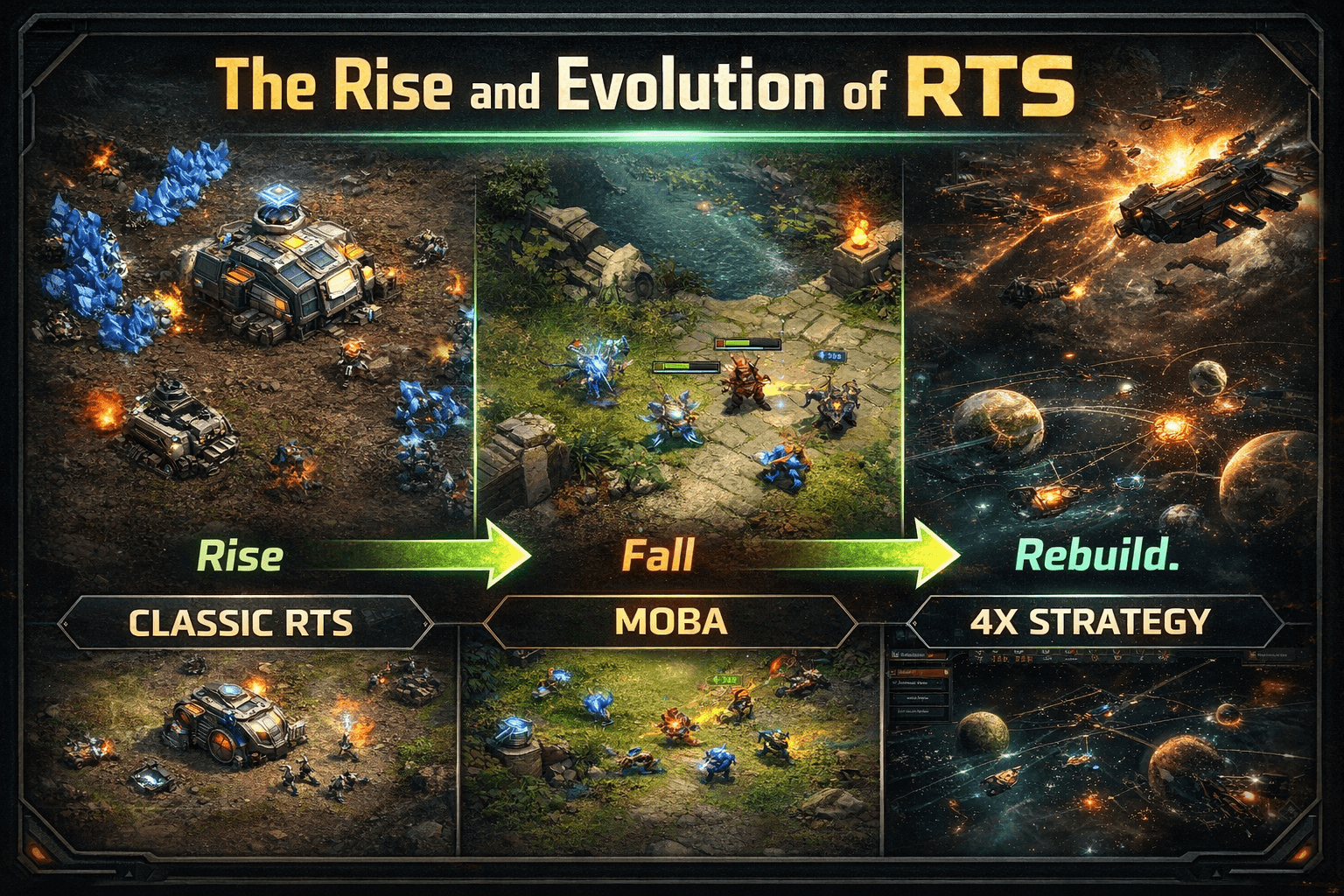
One of Quantic Foundry’s most startling findings is a "slow, persistent drop" in interest regarding strategic thinking and planning.
"The average gamer in 2025 would only be at the 33rd percentile [of strategic interest] if we use the benchmark of 2015." — Nick Yee
While gamers often blame "exploitative" game design and academic circles point to social media shortening attention spans, the data suggests a broader shift. A parallel decline in conscientiousness (the trait for organization and discipline) has been observed in the general U.S. population over the same period. As our world becomes more unpredictable, long-term planning—both in life and in games—is becoming a rarer motivation.
3. Beyond "Casual" vs. "Hardcore"
Quantic Foundry moves past traditional labels by using a 12-motivation model to help studios understand their audiences. This allows developers to see the "hidden" bridges between genres.
For example, why do people play Idle Clicker games? The data reveals that these aren't just "casual" players. Many are hardcore RPG min-maxers who are looking for the "Power" and "Completion" fix without the "Story" elements they usually have to skip through in traditional RPGs.
Motivation Profiles: GTA vs. Fortnite
Even within the "AAA" space, the drivers are vastly different:
GTA Online Players: Over-index on Destruction, Community, and Power (bigger numbers, better gear).
Fortnite Players: Driven by Competition and Excitement (fast pacing, action-oriented surprises).
What’s Next for Gamers?
As the industry matures, the focus is shifting from "making a game for everyone" to understanding specific player personas. Whether you are a "Socializer" in Fortnite or a "Min-Maxer" in a D&D idle game, your psychological profile is the new roadmap for game design.
Want to find your own "Gaming Posse"? You can take the Gamer Motivation Profile Here.
It’s a five-minute survey that compares your tastes to over two million other gamers and recommends your next favorite title.