Live
•
April 16, 2026
•
Greg Posner

Sony's exclusivity strategy just became impossible to ignore. This week, as Pragmata climbed the charts and Saros loomed on the horizon, it became clear that PlayStation is making a deliberate choice: fewer games, bigger budgets, zero Steam ports. And it's working.
The Exclusivity Play
For years, publishers chased PC ports like they were mandatory. Release on PlayStation, then immediately plan the Steam version. Microsoft essentially weaponized this strategy—Game Pass on PC, day-one ports, maximum reach.
Sony went the opposite direction.
Saros, the upcoming action game from Housemarque (the studio Sony acquired specifically to make prestige single-player experiences), will be a PlayStation exclusive. Not a timed exclusive. Not a "we're thinking about it." Exclusive. Full stop.
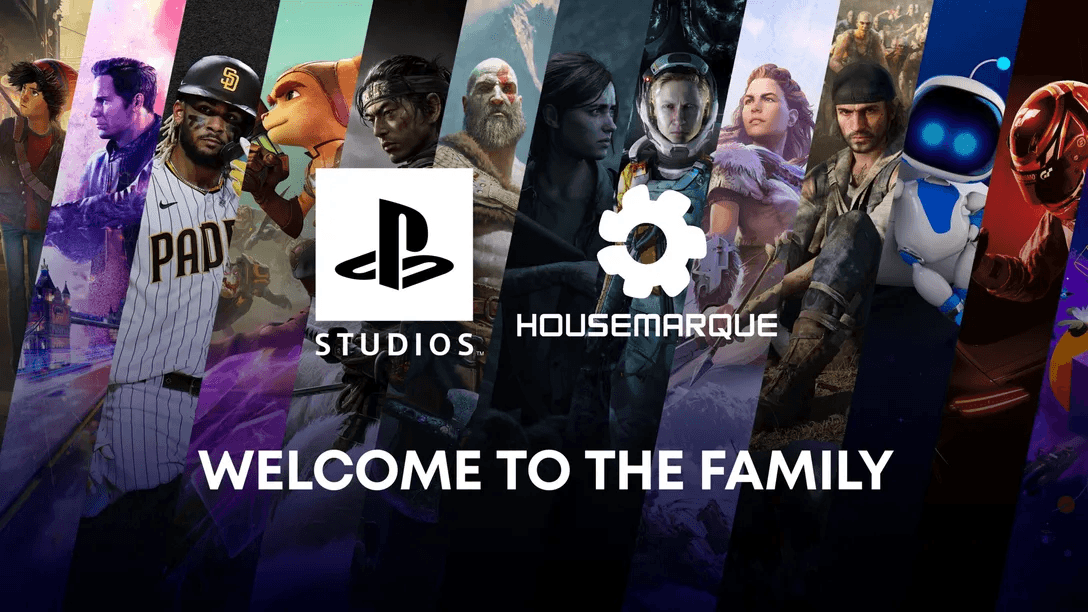
Why? Because Sony owns a 95-million-unit install base on PlayStation 5. That's not a small market. That's enough to fund a $100+ million AAA game without needing Steam's 120+ million concurrent users.
The math is simple: keep a $60 game on PlayStation, and Sony keeps the full revenue. Port it to Steam, and Valve takes 30%. For a game that costs $80–100 million to make, that's a meaningful difference.
But the real insight is deeper than revenue splits.
Steam Isn't a Platform Anymore—It's Competition
Sony's not competing with Microsoft or Nintendo. It's competing with Steam.
Valve built a 20-year moat by being the default PC gaming platform. You buy a game on Steam, you own it (sort of). Your library is there. Your friends are there. The network effects are enormous. And because Steam is so dominant, it's become the natural home for every publisher's PC ambitions.
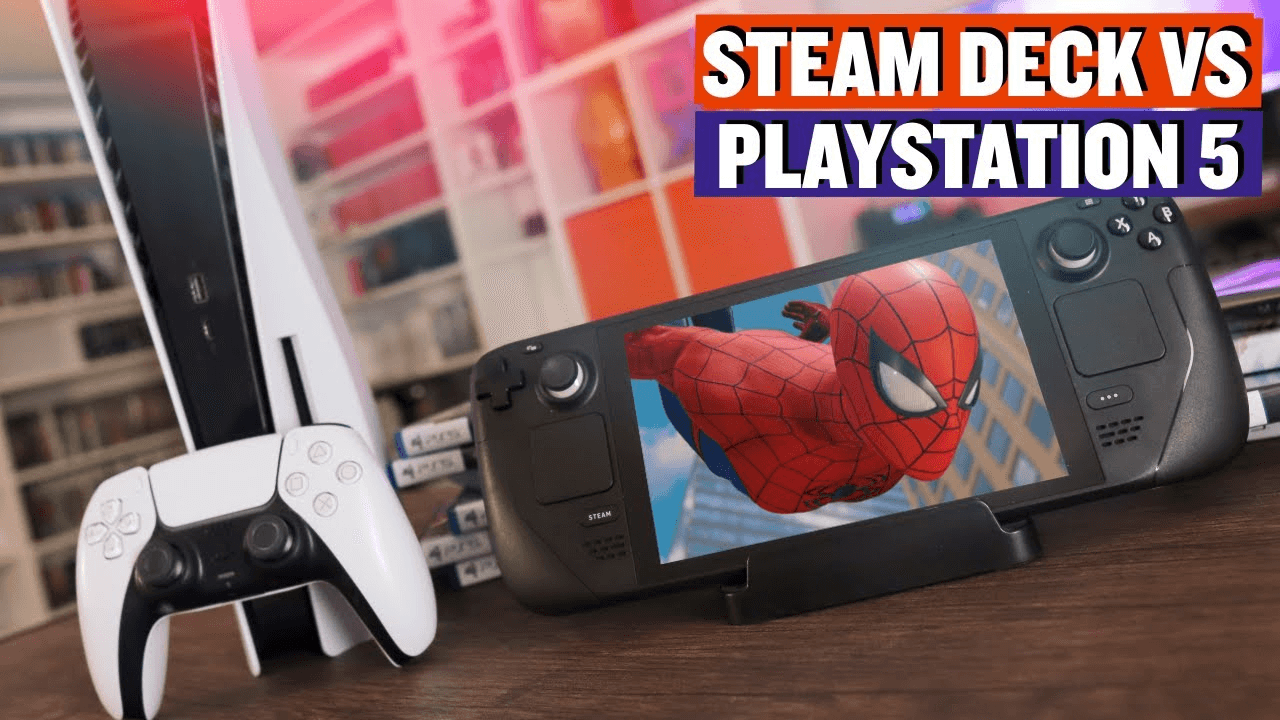
Sony sees this and thinks: we don't want our players divided between PlayStation and PC.
The PlayStation Portal (the handheld streaming device Colan mentioned on the show) is a hint at this thinking. Sony isn't trying to beat the Steam Deck. It's trying to keep PlayStation players in the PlayStation ecosystem. Play your PS5 game anywhere in your home. Anywhere on your network. No PC required.
What Pragmata and Saros Signal
Pragmata launched this week and immediately became a top-10 game globally. It's a Capcom release—third-party, not a Sony exclusive. But it's on PlayStation, and players came.
Saros is coming. Also not third-party. Housemarque is now a Sony studio, and their game is PlayStation-exclusive. This is the bet: buy talented studios, give them real budgets, make prestige single-player games that you can only play on PlayStation.
Does it work? Look at Returnal. When it launched, it was a PlayStation exclusive that some people called a niche game. Then Sony acquired Housemarque. Then they ported Returnal to PC—months later, after the PlayStation window closed. It found a massive audience on PC through PlayStation Plus, and it made money on console first.
That's the playbook. Exclusivity first. Profits second. Ecosystem lock-in third.
The Bigger Picture: Why Indies Can't Compete
Here's where it gets uncomfortable: this strategy works, but it only works if you're Sony.
If you're an indie developer or a mid-budget studio, you can't afford to make a game and ignore Steam. You need every platform, every dollar, every player. You can't bet on exclusivity because you don't have Sony's install base to guarantee success.
This is why discovery algorithms matter so much. Meta's ad system, TikTok's algorithm, YouTube's recommendation engine—these are the only ways smaller games break through now. Big companies can make exclusivity work. Everyone else has to play the visibility game.
Sony knows this. They're doubling down on what they do best: acquire talented creators, fund expensive games, and make them PlayStation-exclusive. It's a barbell strategy—huge AAA experiences on one end, discovery algorithms and niche communities on the other. The middle (mid-budget games trying to reach mass audiences) is getting squeezed.
What This Means for Players
If you own a PlayStation 5, this is good news. Sony's exclusivity bet means more money flowing into single-player, narrative-driven AAA games. Saros. Wolverine. Whatever Marvel game is coming next. These games have budgets because they're exclusive.
If you're a PC-only player, it means fewer PlayStation games will come to Steam. The day-one ports will slow down. You'll wait longer, or you won't play them at all.
And if you're making games? Unless you're backed by a major publisher or have found a niche community, you're fighting for algorithmic visibility. That's the new game.
The Bottom Line
PlayStation is making a calculated bet: that owning a player's exclusive games matters more than maximizing revenue across every platform. It's a bet against the open-platform, everything-everywhere model that defined the last decade of gaming.
And if Pragmata's success and the momentum behind Saros are any indication, it's working.
Share
Copy link