A conversation with Max Mraz of Moth Atlas on scope, schedules, and surviving four years of nights and weekends
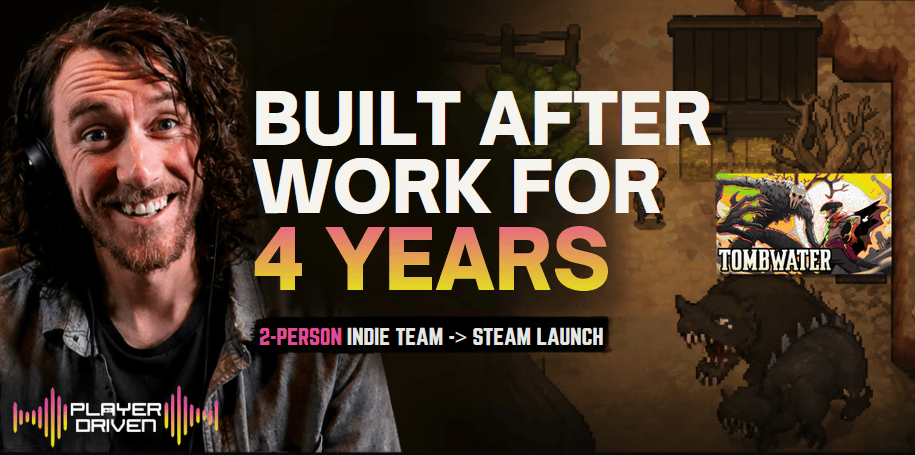
Most indie games never ship. The ones that do are usually the product of compromises, constraints, and a very specific kind of stubbornness. Tomb Water, the Eldritch Horror Wild West souls-like from two-person studio Moth Atlas, is one of the rare ones that made it — built entirely in off-hours over four years, published by Midwest Games, and earning strong reviews on Steam at launch.
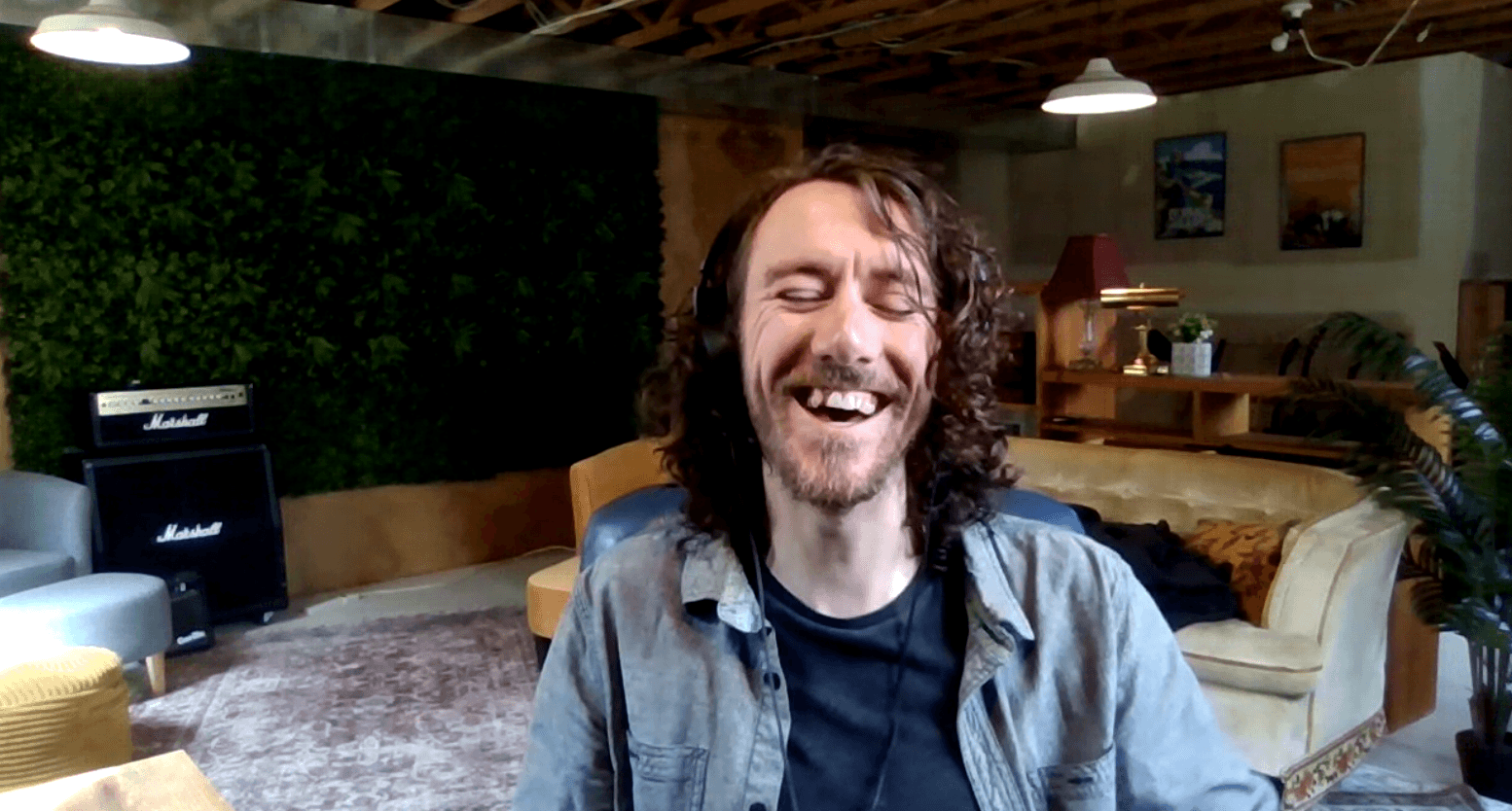
On a recent episode of Player Driven Live, Greg sat down with Max Mraz talk through how it actually happened: the project management, the publisher relationship, the community, and the honest advice for anyone thinking about doing something similar.
Here's what stood out.
The game was never supposed to be this big
The original pitch was modest: spend a few months on a small project to introduce a coworker, Jake, to game development. See if it clicks. Keep it manageable.
It didn't stay manageable.
"The concept of an Eldritch Horror Wild West game was such fertile ground for ideas," Max explained, "and once we got into the combat and the souls-like elements, we were just like — this is kind of too good. It's got legs."
What started as a few months turned into four years. And for Max, "after hours" was closer to two full-time jobs than a side project. Working days at his software job, then coming home and coding until one or two in the morning. Not because the schedule was sustainable — he's the first to admit it wasn't — but because the work was genuinely gratifying.
Jake's commitment looked different by design. The agreement was simple: do what you can, in a healthy way, without overstepping your bounds. Whatever's left, Max would handle. That division of labor held for four years.
Kanban boards and bite-sized cards
When you're building a game in stolen hours with no deadlines and no boss, staying organized is the only thing standing between you and scope creep that kills the project.
Max's system: a Kanban board (Trello was the tool of choice — "I hate Jira specifically") with bite-sized cards for every discrete task. A column for what needs to get done in the next two weeks. A column for the 1.0 roadmap. Break a big item into 20 smaller cards, work through them, move them out.
What this prevented, critically, was building empty space. Tomb Water's world was content-driven from the start: design a small area with good combat flow, then pull from a list of 350 designed items and place 15 of them there. That process naturally drove world expansion rather than producing the gaming equivalent of a huge map with nothing in it.
"I didn't even want Tomb Water to be as big as it is," Max admitted. "But you give a cool item a treasure chest, and then you think — it's cool enough, it kind of needs a boss guarding it. And next thing you know you're designing a new boss."
Purposeful scope creep, at least.
The publisher question: no deadlines or no deal
Max's original plan was to never talk to a publisher until the game was finished. The reasoning was blunt: working nights and weekends, you cannot blow off your day job to hit a publisher milestone. Deadlines and the indie-after-work model don't mix.
Midwest Games found Moth Atlas at a local Columbus game convention — Ben, the CEO, saw Tomb Water and wanted to publish it. Max said thanks, maybe in a couple years. Ben kept calling.
What eventually changed Max's mind was an unusual offer: no deadlines. Work with us, share resources, and when you're confident the game is ready, then we'll go in on QA, localization, and launch. "I can't turn that down," Max said. "That's a good deal."
It's the kind of arrangement that only works if both parties are aligned on what the game is and where it's going. Midwest clearly saw it. The positive Steam reviews at launch suggest the bet paid off.
QA is not beta testing, and the difference matters
One of the most underestimated parts of launching a game, according to Max: bugs. Not the volume of them, but the skill required to actually find them.
"QA is a miserable way of playing a game. It's not playing a game — it's testing software. That is a completely different skill set than anyone who has never done it professionally has."
He draws a direct analogy: telling yourself you'll just test your own game is like deciding to compose the soundtrack having never written music. The confidence isn't backed by the experience. Opening a playtest to 35 people is not what a professional QA team provides. The two things are categorically different.
For small studios thinking about self-publishing: this is the area where the gap between what you think you're doing and what actually needs to happen is widest.
The community Max didn't build
Tomb Water has a Discord. Max is not running it — Midwest Games is. And that's exactly how he wants it.
"I really appreciate that I'm not in charge. I made the game, and I can pop in — but I'm also free to miss conversations. That is fantastic."
What he does engage with is the lore speculation. Players debating whether two characters are related, piecing together the story from environmental details, building fan maps of the world. One community member, Dimigen, has been constructing a detailed Metroidvania-style map of Tomb Water — every item, every area, labeled.
"I spent so many hours planning that, working through that, making that story," Max said. "And I'm not telling you what it means. You gotta work it out yourself. That's kinda the point."
A community that generates its own content around your world is a signal that the world has enough depth to sustain it. That doesn't happen by accident.
The honest advice for two-person teams
When asked what he'd tell another two-person team starting an after-work indie project today, Max's first response was a question: are you really sure?
Not as discouragement — but because the math only works under specific conditions. A day job that pays well and doesn't leave you drained. Life circumstances that absorb the hours without creating friction. Creative skills you've already built so you're not learning every discipline from scratch simultaneously.
"Find a way to minimize the knowledge deficits you have," he said. "If neither of you write music, maybe find a way your game doesn't need music. Or hire someone if you have the money."
And on time: track it honestly. If you sat at the computer for five hours but only got ninety minutes of real work done, don't pretend otherwise. Go take a walk. See your friends. The work will be there tomorrow.
"At the end of this four years, I'm taking a step back and realizing — I need to learn how to be a friend again."
Tomb Water is available now on Steam. The full Player Driven Live conversation with Max Mirage is on YouTube — links in the episode notes, along with the Tomb Water Discord and Steam page.